
Over the last decade, the concept of coworking has evolved dramatically. Beginning with a focus primarily on the idea of “shared office” usage, coworking has become an advanced business model incorporating flexibility, technology, and community into all aspects of its service offerings. As we head into 10 more years of growth (now through 2026), future coworking trends will provide telecommuters, companies, and freelancers an opportunity to find a suitable coworking space designed for optimal productivity and inspiration.
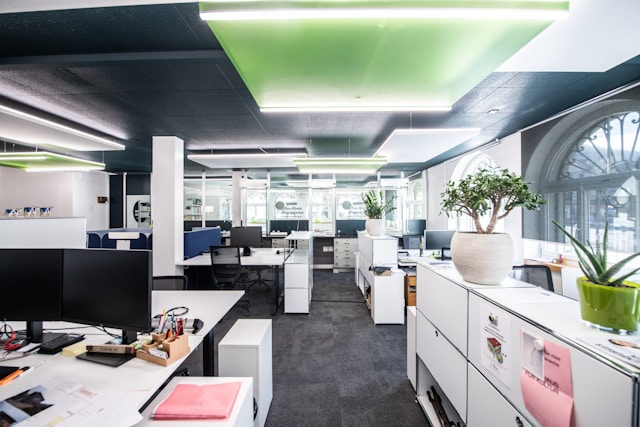
1. Hybrid Work Models (the combination of remote and in-office working) have now evolved from a temporary solution for many organisations to a long-term strategy. As a result, coworking spaces are adjusting by creating flexible membership options that allow people to choose their type of work space (public office, dedicated desk or through hot desking) based on their preference/needs for just that time period. This level of flexibility will benefit businesses with distributed teams, or employees who only need access to an office for a few days of work each week.
2. Technology-Driven Workspaces will continue to shape the coworking landscape as technology continues to become central to all aspects of operation for the use of coworking offices. Technology is introducing a number of advancements throughout coworking that include smart booking solutions, creating IoT-enabled meeting rooms and facilities for AI-based resource and materials management by coworking businesses. For example, coworking operators can now use various apps to can track availability at desks, monitor usage of energy and even track the usage patterns of common areas of coworking facilities. By utilising this technology, coworking facilities like Anchor Coworking will create seamless experiences for all of their members.
3. Eco-Friendly/Sustainable is the new focus of coworking spaces Today the world’s economy is driven by production, and as a result many coworking spaces are evolving towards sustainability and wellness. Furniture of coworking spaces will include ergonomic furniture, plants, and natural lighting. With many companies creating sustainable work environments, creating eco-friendly buildings, implementing energy-efficient lighting and implementing waste-reducing programs, will increasingly become important. All of these innovations will be designed to create a physically healthy working environment, as well as an ecological working space for individuals using coworking spaces.
4. Coworking spaces have always been viewed as an office for members who are renting space, however coworking spaces are quickly becoming much more than just another office. Coworking spaces have become more of a community of business professionals who come together for the purpose of networking and to share skills and provide continued support through mentorship. Many coworking spaces provide a physical place where members can gather and collaborate, and can also be looked at as a part of the larger network of business people who are working together to create an environment of collaboration, growth, innovation, and connection.
5 Specialized coworking facilities (having their own distinct styles of work) reduce resource limitations (due to having higher levels of specialized resources) and allow for more creative design of the space (i.e., offering different design styles for users) than standard general office space has offered until now; thus, reducing the likelihood of isolated networking with other users.
6 Flexibility in Leases (Commercial market positions have changed from long-term lease requirements to include flexible lease options such as short-term leases or subscription-based leases with the ability to use any amount of common/shared space available) has provided growing companies with ample opportunity to explore other business types without being constrained by the traditional commercial market (long term lease issued for a specific period of time and payment in full prior to moving into the property).
As coworking facilities (by the nature of “coworking”) continue to remain popular, the design of future facilities will become more focused (as compared to existing coworking facilities) on producing workspaces with flexible use, technology-supported spaces, environmentally sustainable spaces, and community-oriented workspace. Anchor Coworking (new collaborative workspace provider) is another company developing innovative strategies to meet the diverse needs of many employees with a variety of skill sets and will thrive by establishing a future marketplace where all like-minded employees collaborate together. In conclusion, in the months and years ahead, successful commercial real estate brokerages who provide added value through innovation (and customer relationship management) will be able to identify and create new requirements for coworking space owners and users.